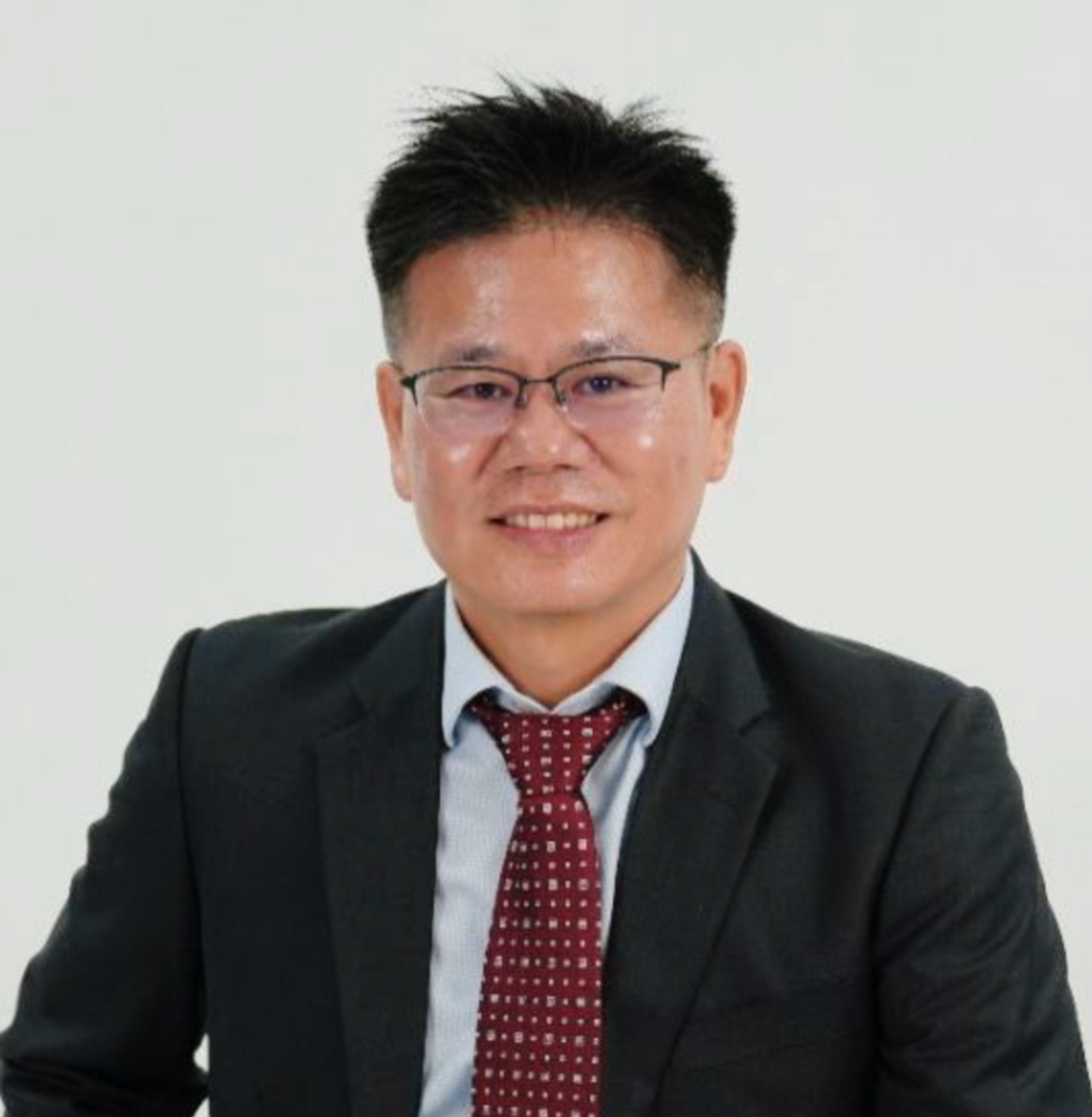
Prof. LING Tau Chuan
Universiti Malaya, Malaysia
Title:
Abstract:
Biography:
LING Tau Chuan is a Professor at the Universiti Malaya. Tau Chuan graduated from the Universiti Putra Malaysia with a Degree in Biotechnology and stayed on to undertake MasterEnvironmental Engineering study. He then completed a PhD at the University of Birmingham, UK with Prof Andrew Lyddiatt looking intodevelopment of cost-effective proteins downstream processing techniques. Following graduation in 2002, Tau Chuan joined the Universiti Putra Malaysia as a lecturer. Since joining the Universiti Malaya, Tau Chuan has established an internationally recognised research activity in proteins downstreamprocessing and bioprocess engineering, funded by Government of Malaysia and industries. Tau Chuan is a Fellow of the Institution ofChemical Engineers and a Chartered Engineer. He is listed in the UM Researchers Top 2% Scientists by Stanford University and wasawarded the Young Asian Biotechnologist Prize 2017 from The Society for Biotechnology, Japan. He has served as a visiting professorfor several universities including Nanjing Agricultural University, Tsinghua University, Xiamen University, Lund University, National ChengKung University, Canterbury University and Kobe University. Tau Chuan’s expertise is in bioseparation technology and bioprocess intensifi cation. He is internationally recognised for innovativework on the development of new and/or improved bioprocess separation and analytical techniques. He is especially well known for hiswork on primary capture technology, notably for inventing the technique known as aqueous two-phase systems and continuing theadvancement of this and other separation techniques for large-scale application in the biopharmaceutical and nutriceutical sectors,and for his contributions to the advancement of adsorbent design and Fluidised Bed Adsorption technology. His current researchmainly focuses on bioseparation, bioprocessing, green chemistry, and bioprospecting of microorganisms for useful biomolecules.