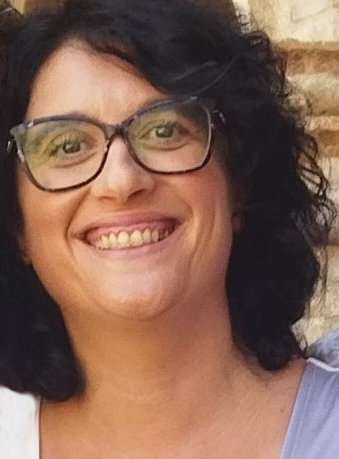
Prof. Giorgia Gioacchini
Polytechnic University of Marche (UNIVPM), Italy
Title: Maternal Transfer of Environmental Pollutants in Marine Species: Implications for Embryonic Development and Ecosystem Health
Abstract:
Marine ecosystems are increasingly threatened by anthropogenic contaminants, including microplastics, endocrine disruptors and other emerging pollutants, which may accumulate in marine organisms and interfere with reproductive and developmental processes. In recent years, growing attention has been paid to the maternal transfer of pollutants from females to offspring, recognized as one of the most critical pathways through which contamination can affect embryonic development, offspring fitness and long-term population resilience.
This keynote lecture will provide an overview of current knowledge on reproductive toxicology and maternal transfer of environmental contaminants in marine organisms, integrating literature data with recent findings obtained from studies conducted on marine species characterized by different evolutionary histories, ecological roles and life-history strategies.
The lecture will discuss how pollutant accumulation and maternal transfer mechanisms may differ between short-lived species and long-lived organisms, which can accumulate contaminants over several decades. Particular attention will be dedicated to the occurrence of contaminants in gonads, eggs and embryos, and to their potential effects on reproductive processes, embryonic development and offspring health in different marine species.
Examples from recent studies on pollutant occurrence, biomarker responses and developmental alterations will be used to explore the ecological implications of transgenerational exposure to environmental contaminants.
Overall, this lecture aims to emphasize that reproductive stages and maternal transfer pathways represent highly sensitive and still underestimated interfaces between marine pollution and ecosystem resilience. Understanding these processes across species with different biological and ecological characteristics may contribute to improving biomonitoring strategies, biodiversity conservation actions and One Health approaches related to seafood safety and marine environmental sustainability.
Biography:
Prof. Giorgia Gioacchini is Associate Professor in Cell Biology and Reproductive Biology of Marine Vertebrates at the Department of Life and Environmental Sciences (DiSVA), Polytechnic University of Marche (UNIVPM), Italy. She obtained her PhD in Biomolecular Sciences at UNIVPM and achieved the Italian National Scientific Qualification both for Associate Professor and Full Professor in the scientific area of Comparative Anatomy and Cytology.
Her research activity focuses on environmental pollution, marine reproductive toxicology, reproductive biology and developmental biology, with particular attention to the effects of anthropogenic stressors and emerging contaminants on marine organisms and ecosystem health. Her studies investigate the impact of microplastics, endocrine disruptors and other pollutants on reproductive processes, maternal transfer mechanisms, embryonic development and animal welfare in Mediterranean marine species.
Prof. Gioacchini has extensive expertise in multidisciplinary approaches integrating histology, immunohistochemistry, molecular biology, transcriptomics, genomics, enzymatic assays and FTIR microspectroscopy for biomonitoring and toxicological studies. Her research activities mainly involve commercially and ecologically relevant species, including Atlantic bluefin tuna, swordfish, sardine (Sardina pilchardus), the cuttlefish Sepia officinalis and the marine turtle Caretta caretta. In recent years, she has focused on the reproductive and developmental effects of environmental contaminants, with particular attention to possible maternal transfer of pollutants in marine organisms.
She is involved in several national and international projects focused on marine pollution, reproductive toxicology, biodiversity conservation and sustainable fisheries. Her recent activities include projects on pollutants biomonitoring in cuttlefish embryos and adult during the reproductive period, biomarkers of contaminant exposure in marine vertebrates, and the effects of pollutants on reproductive and developmental processes in marine organisms. She is also involved in ICCAT projects concerning swordfish reproduction, genetics and population health, as well as in initiatives related to sustainable aquaculture and marine biodiversity conservation.
Prof. Gioacchini is author of more than 110 papers published in international peer-reviewed journals, with an H-index of 42 (Scopus). She serves as reviewer and expert evaluator for international scientific agencies and journals and is actively involved in scientific societies related to marine biology, reproductive biology and environmental sciences.
Alongside her research activity, she is engaged in university teaching, supervision of undergraduate and postgraduate students, and dissemination activities related to marine biodiversity, sustainability and environmental awareness. Her current research is focused on the implications of marine pollution for ecosystem resilience, biodiversity conservation and One Health perspectives.