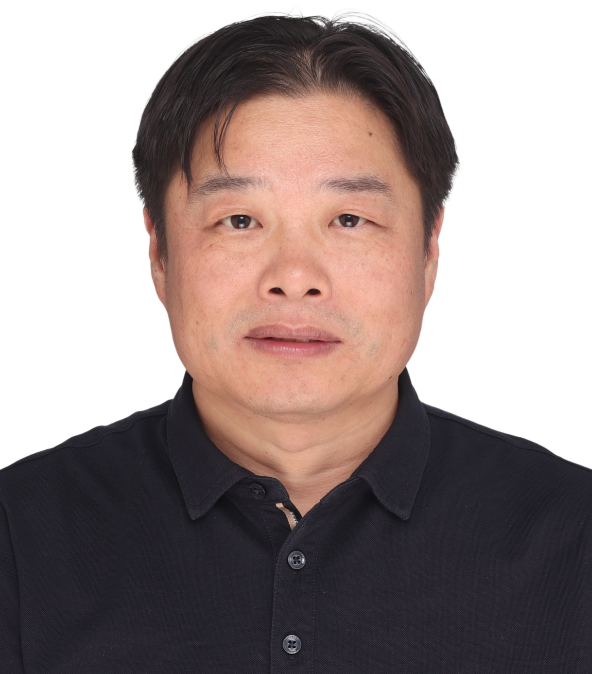
Prof. Youxin Wang
School of Public Health, North China University of Science and Technology, China
Title: Multi-omics integrated research on Subopitimal Health Status
Abstract:
Suboptimal health status (SHS) is a reversible predisease stage and represents a key “window of opportunity” for predictive, preventive, and personalized medicine (3PM/PPPM). However, current screening methods still rely mainly on subjective questionnaires and lack objective, interpretable, and actionable tools for timely intervention. We aimed to develop an exploratory prototype system that combines multiomic signals with explainable artificial intelligence to apply 3PM in young adults.Transcriptomic, metabolomic, and gut microbiome data from 30 SHS patients and 35 healthy controls were analyzed. Seven machine learning algorithms were compared, with elastic net selected for its balance of accuracy, stability, and interpretability. Calibration and decision curve analyses were performed to test robustness and clinical utility. Shapley additive explanations (SHAP) were applied for both global and individual interpretations. The multiomic elastic net prototype achieved high and stable discrimination (accuracy 0.941, ROC-AUC 0.999), with strong calibration and net benefit. Beyond statistical performance, the system identified biologically plausible and modifiable molecular targets—such as reduced vitamin K and elevated glycerophosphocholine—that are directly amenable to preventive strategies. SHAP further provided individual-level profiles, revealing the specific biological drivers of SHS risk for each participant and offering a template for personalized recommendations.This study proposes an innovative 3PM-guided prototype system for predicting suboptimal health status on the basis of multiomics data. We suggest embedding this tool into preventive healthcare to enable early risk prediction, applying personalized interventions to delay or reverse the progression of SHS, and providing individualized follow-up to support long-term health management. From a public health perspective, this approach may substantially reduce the future burden of chronic diseases by addressing risks at a reversible stage.
Biography:
Prof. Youxin Wang (male, 1979-), dean of the School of Public Health, North China University of Science and Technology, and director of the Hebei Key Laboratory of Organ Fibrosis.
He is an adjunct professor at Edith Cowan University in Australia, the Fellowship of the Royal Society of Medicine, the Membership of the International Society of Global Health, the Membership of the American Public Health Association, and the Vice President of the Occupational Health Professional Committee of the China Association for Occupational Safety and Health.
Prof. Wang mainly engaged in molecular epidemiological research, leading one National Key R&D Program and 5 projects funded by the National Natural Science Foundation of China. In the past 5 years, As the first author or corresponding author, he has published more than 40 research papers and has served as editorial board for BMC Public Health, Biomedical and Environmental Sciences, and reviewer for the British Medical Journal, Nature Communication, etc.