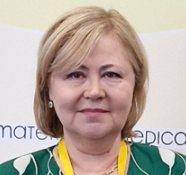
Prof. Yulia A. Desheva
Institute of Experimental Medicine, St. Petersburg, Russia
Title: Use of recombinant S- and N-proteins proteins to study humoral and cellular hybrid immunity to SARS-CoV-2
Abstract:
Yulia A. Desheva, Danila S. Guzenkov, Tatiana V. Gupalova, Galina F. Leontieva, Polina A. Kudar, Daniil D. Sokolovsky, Alexander N. Suvorov
Institute of Experimental Medicine, St. Petersburg, Russia
Background and Objective: This cross-sectional study examines long-term immune responses following COVID-19 infections, vaccinations, or combined exposures. The primary focus is on immune reactions to recombinant spike (S) and nucleocapsid (N) protein antigens.
Materials and Methods: Serum antibody levels were measured up to four to four and a half years post-infection or immunization. This included virus-specific immunoglobulin G (IgG), IgA, and IgM antibodies, along with neutralizing antibodies targeting the S-protein. Cellular immunity was evaluated through the analysis of peripheral blood mononuclear cells (PBMCs) from two cohorts (n = 43 and n = 32). The study assessed T-helper memory and cytotoxic cell subsets, as well as cytokine production following in vitro stimulation with recombinant SARS-CoV-2 proteins. A multiplex cytokine assay was employed to evaluate effector and regulatory immune responses.
Results: Virus-specific IgG antibodies remained detectable for years after SARS-CoV-2 exposure. Notably, IgG targeting the receptor-binding domain (RBD) showed the strongest correlation with neutralizing activity. Vaccinated individuals exhibited higher IgA responses, while antibodies against the N-protein were more commonly associated with prior infection. IgM antibodies were not detected in any participants, indicating an immune response driven by memory rather than active infection. PBMCs from individuals with both COVID-19 exposure and vaccination displayed heightened responsiveness, characterized by increased frequencies of memory T cells compared to vaccination alone. Stimulation with the S-protein elicited higher cytokine production, including IFN-gamma, TNF-alfa, and IL-12(p70), compared to stimulation with the N-protein. Additionally, cytokines such as IL-10 and TGF-beta were elevated, suggesting immune regulation rather than persistent inflammation.
Conclusions: SARS-CoV-2 infection and vaccination both induce long-lasting humoral and cellular immune responses that persist for several years post-exposure. Individuals with hybrid immunity exhibit broader and functionally enhanced immune reactivity, indicative of more robust long-term memory. Regulatory cytokine modulation during hybrid immunity shifts the response to the SARS-CoV-2 from a "chaotic inflammation" to one of "highly targeted control." This is achieved through a balance between antiviral cytokines (IFN-γ) and regulatory factors (IL-10, TGF-β1), ensuring long-term immunological memory and host tissue safety.
Biography: