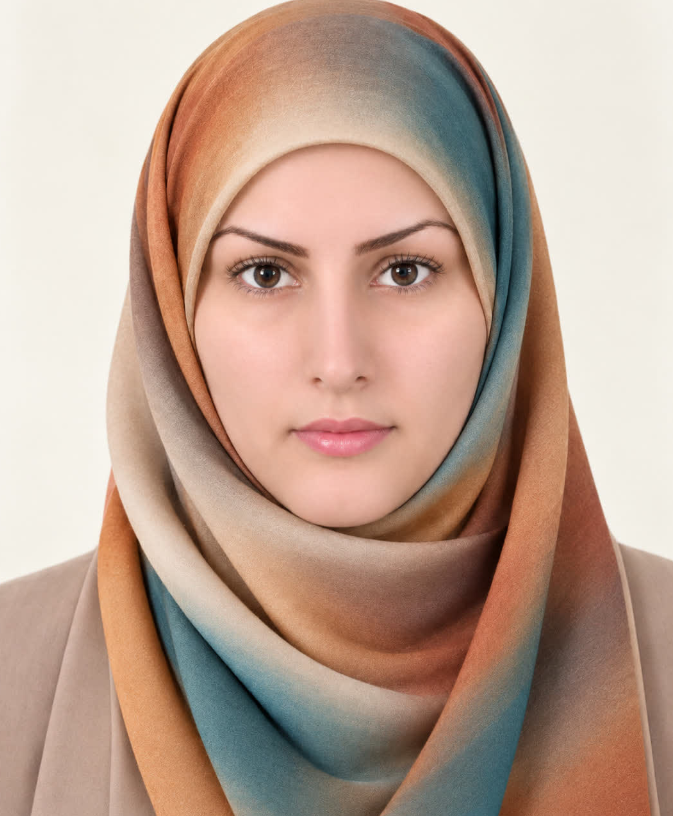
Associate Professor Marzieh Rezaei
Isfahan University of Medical Sciences, Iran
Title: Engineered Nanobodies and Therapeutic Proteins for Tumor-Targeted Therapy
Abstract:
Engineered nanobodies and recombinant therapeutic proteins are emerging as versatile platforms for precision cancer therapy, extending beyond conventional tumor antigen recognition toward active modulation of the tumor microenvironment (TME). Nanobodies, the variable domains of camelid heavy-chain-only antibodies (VHHs), possess unique structural and functional properties, including small molecular size, high target specificity, remarkable stability, and considerable flexibility for molecular engineering. These characteristics enable the development of multifunctional therapeutic constructs, including Fc-fusion proteins, bispecific antibodies, and targeted delivery platforms. Their clinical potential is exemplified by envafolimab, a single-domain anti-PD-L1 antibody–Fc fusion protein that has demonstrated clinical efficacy and received conditional approval in China for advanced MSI-H/dMMR solid tumors.
Beyond direct tumor targeting, an emerging therapeutic strategy involves engineering proteins to interfere with immunosuppressive mechanisms within the TME. CD73, a key ectonucleotidase responsible for extracellular adenosine generation, plays a critical role in tumor-associated immune suppression and represents a promising target for restoring antitumor immunity. Our research focuses on the development of an engineered anti-CD73 nanobody-based recombinant protein, HeLiNa-73, generated through CDR grafting from the clinical anti-CD73 antibody IPH5301 onto a nanobody scaffold. Following recombinant production and purification, its functional evaluation in colorectal cancer cells demonstrated favorable CD73 binding, significant cytotoxic activity (IC50 = 23.99 μg/mL), increased cell-surface calreticulin exposure, and more than tenfold elevation in HMGB1 release. Furthermore, treatment of tumor cells enhanced dendritic cell maturation, as indicated by increased CD80 and CD86 expression in co-culture experiments.
These findings highlight the potential of engineered nanobody-based therapeutic proteins to bridge tumor targeting and immune modulation, offering a promising approach to enhance tumor immunogenicity and develop next-generation cancer immunotherapies.
Biography:
Dr. Marzieh Rezaei is an Associate Professor of Immunology at Isfahan University of Medical Sciences, Iran. With an academic background in Cell and Molecular Biology and a PhD in Immunology, awarded in 2017, her research has focused on understanding the complex interactions within the tumor microenvironment and their impact on antitumor immune responses.
Her research interests encompass tumor immunology, immune cell–tumor cell crosstalk, and the mechanisms underlying tumor-induced immunosuppression. A major focus of her work is developing novel cancer immunotherapy strategies, particularly dendritic cell-based cancer vaccines, immunogenic cell death (ICD), and targeting immunosuppressive pathways such as CD73.
She is also interested in integrating immunological approaches with nanotechnology to develop innovative antigen and therapeutic delivery systems, particularly peptide-based platforms and lipid-based nanocarriers, for cancer immunotherapy.
Her broader research goal is to translate advances in tumor immunology and nanomedicine into effective and clinically relevant cancer treatment strategies.