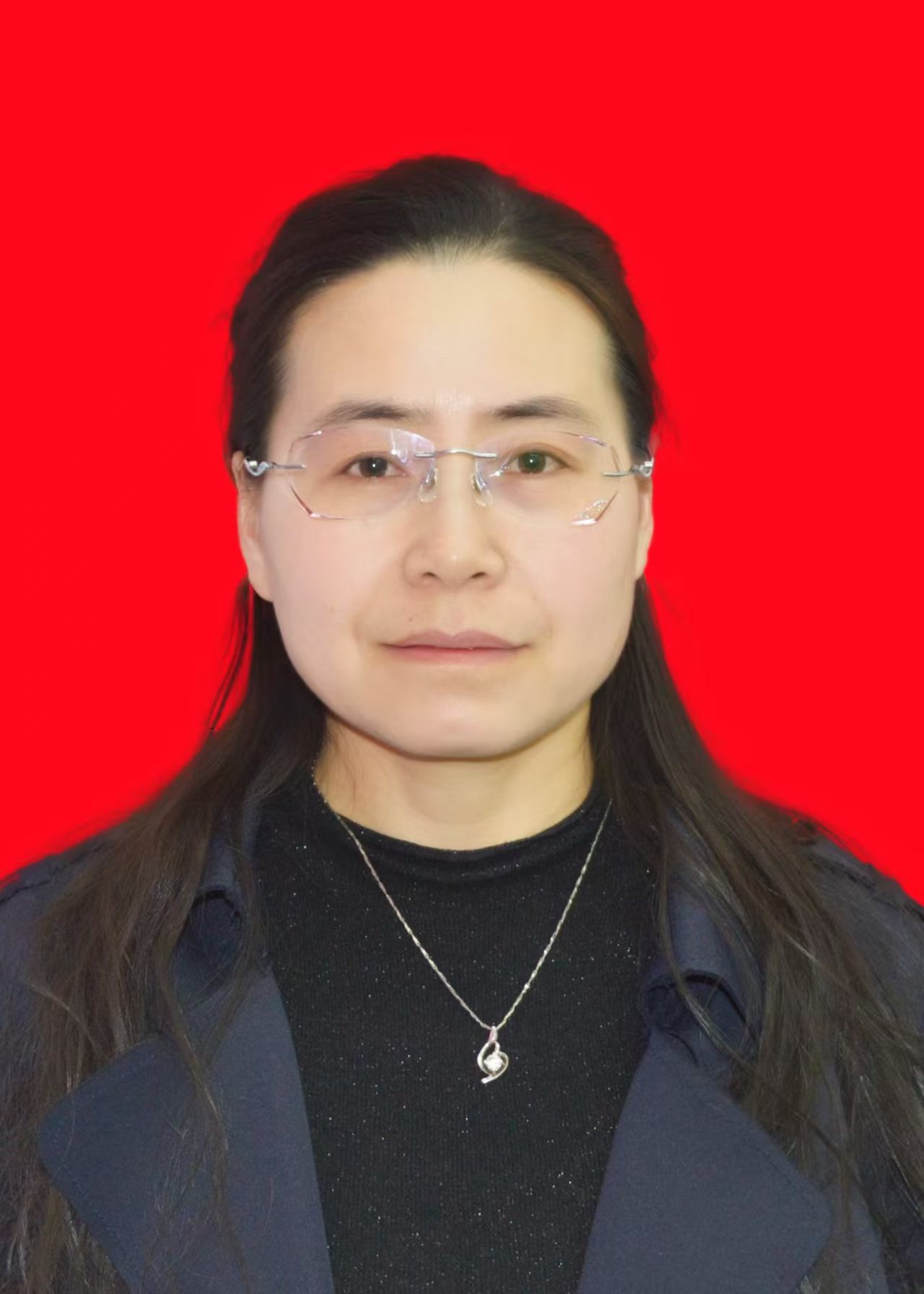
Associate Professor Xiaoyan Ren
North University of China, China
Title: Technology for Improving Microstructure, Mechanical and Tribological Properties of Liquid-Solid Formed 42CrMo/Tin Bronze Bimetals
Abstract:
The Outline of the 15th Five-Year Plan for National Economic and Social
Development (the overarching national guiding document) clearly mandates the
implementation of the Industrial Foundation Reconstruction Program. It
identifies high-end core hydraulic components as a key bottleneck to be tackled
in the machinery equipment industrial chain, and calls for breakthroughs in
"bottleneck" components including pumps, motors and servo valves to
enhance the security and self-reliance of the industrial chain. The country
will stay committed to the three transformation priorities of high-end
development, intelligent upgrading and green transition. It is planned to
realize domestic mass supply of 50 MPa ultra-high pressure piston pumps before
2030 to serve heavy-duty equipment, deep-sea engineering and large forging
machinery. Breaking through the bottlenecks of friction pairs and relevant
materials, which determine the service life of pumps, is of critical
importance. The team has long focused on the development of four key vulnerable
parts of piston pumps: pistons, slippers, valve plates and cylinder blocks. By
means of alloying treatment, the mechanical properties of materials are
enhanced, and their anti-friction and wear resistance are significantly
improved. Taking Fe/Cu bimetals fabricated via liquid-solid casting with 42CrMo
steel and tin bronze as the research object, single and composite microalloying
regulation of multi-element additives including Fe, Ni and Ag were carried out
respectively. The average grain size was reduced from 99.1 μm to 71.7 μm, and
Pb particles were uniformly dispersed. The thickness of the interfacial
interdiffusion layer increased from 1.44 μm to 5.33 μm, the interfacial shear
strength reached 225.2 MPa (an increase of 12.35%), and the average hardness of
the copper layer was 132.54 HV (a growth rate of 28.63%). Under oil-lubricated
and dry friction conditions, the friction coefficients decreased by 60% and 21%
respectively, accompanied by a substantial reduction in wear rate. This work
provides comprehensive experimental data and theoretical support for the
microalloying design of high-performance Fe/Cu bimetallic interfaces and the
optimization of liquid-solid casting processes.
Biography:
Ren Xiaoyan, Associate Professor, received the Ph.D. degree in Material Processing from North University of China, in 2020. She completed the postdoctoral research at Taiyuan lron and Steel Group Company Limited’s Postdoctoral Research Station in 2024. Currently, she works in the Department of Mechanical Engineering, Taiyuan Institute of Technology, and is also engaged in School of Materials Science and Engineering, North University of China. Her primary research focuses on copper-based alloys, tin-based alloys, and the fabrication of bimetal components.